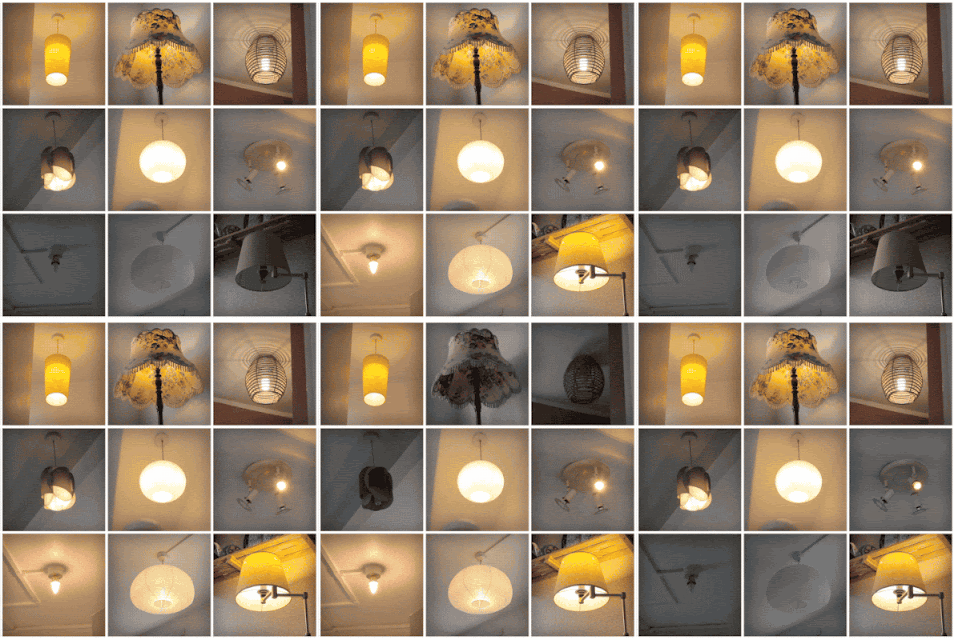
Labels

Monday, October 21, 2019

Energy transforms...

Read the following information about the Forms of Energy and watch the following videos, then watch this https://www.brainpop.com/science/energy/formsofenergy/ video, take the "graded quiz" and record your score in your Science Notebooks.

from www.dictionary.com:
energy  (ěn'ər-jē) Pronunciation Key 
The capacity or power to do work, such as the capacity to move an object (of a given mass) by the application of force. Energy can exist in a variety of forms, such as electrical, mechanical, chemical, thermal, or nuclear, and can be transformed from one form to another. It is measured by the amount of work done, usually in joules or watts.

 Forms of Energy
Energy can come in a variety of forms.

1. Radiant Energy - is light energy, that when absorbed by an object, gets converted to thermal/heat energy.

 Examples: A light bulb, the glowing coils on a toaster, the sun, and even headlights on cars. 
sunrise dawn GIF


2. Thermal Energy - is the energy of molecular movement; it's heat energy. The faster the molecules move, the more thermal energy is present.  Heat is the transfer of thermal energy i.e. when thermal energy moves from object to object, we feel it as heat.


3. Chemical Energy - is really a form of potential energy and is the energy stored in food, gasoline or chemical bonds.
Examples: Striking a match, food, batteries.  


4. Electrical Energy - Energy produced by electrons moving through a substance is known as electrical energy. We see evidence of electricity in household appliances, electric outlets, phone chargers, electric wires. 
Examples: MP3 players, computers, video games, holiday light wires.


5. Mechanical Energy - is the energy of movement. All moving objects have mechanical energy. Examples: bicycles, machine parts, subway trains, wheels, us!
M.E. = P.E. + K.E.


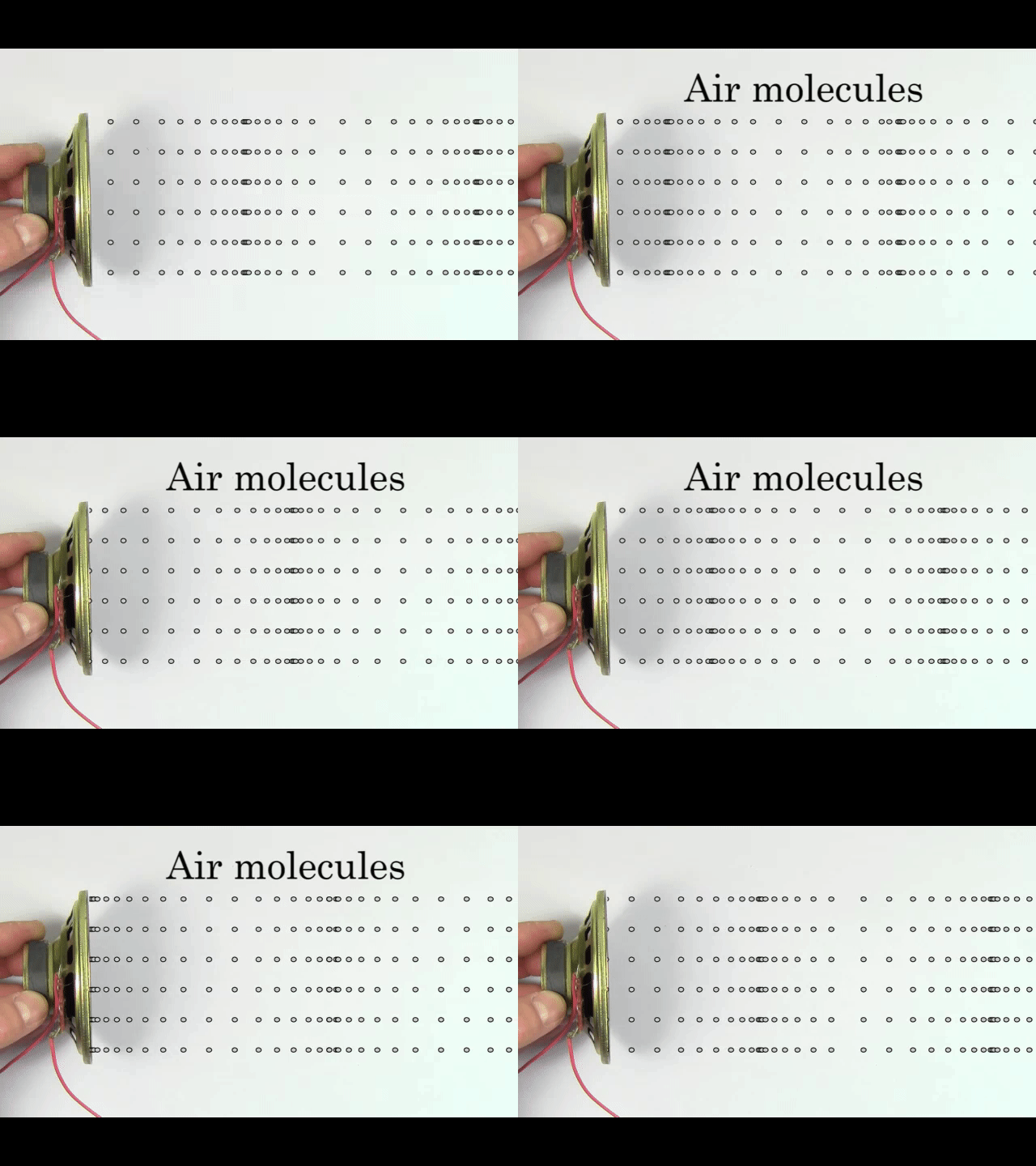
6. Sound Energy- is produced when a solid, liquid or gas vibrates. Sound energy travels out as waves in all directions.
Examples: Voices, sirens, horns and musical instruments.


 6. 


C. Generating Electricity!!!

- Electrical energy is needed in our daily lives.  Imagine what life would be like if all those appliances that you plug in on a daily basis were to disappear...   No refrigerators, no phones, no television, no hot water, etc.


Power plants use a generator to generate electricity.  A turbine turns the generator.  Mechanical energy is needed to turn the turbine, usually in the form of steam pushing against its blades.  Now, all we need is a source of thermal energy to boil the water into a gas.


Energy exploration websites
***http://www.solpass.org/5s/AP/4.2scienceactivity.htm***

Wednesday, September 18, 2019

Science Article #2 - Technology

Read a science based article.  Learn how Science is happening in our daily lives and how it relates to you. You can get your information from a newspaper, magazine or from the internet. 
It should be handwritten NEATLY or typed and shared with my pconsidine@pershing220.org account.  

 Follow these simple steps to make an A!
1) Summarize the article in 5-7 sentences (i.e. What is the article about?)
2) How does this affect us? (1 sentence min.)
3) Why is this important? (1 sentence min.)
4) How is this science related? (1 sentence min.)
5) Pick a science word and write its definition.  Use a dictionary or www.dictionary.com
6) Draw a picture!
7) Make sure to include your source.  i.e. Where did you get your information from?  website url, magazine title and date, newspaper title and date

Science Article: Technology

1. Adhesive from trees could make tape more eco-friendly

Adhesive from trees could make tape more eco-friendly


Phones in the classroom hurt everyone’s grades


3.  High-speed camera reveals the secrets of legless larva's leap
High-speed camera reveals the secrets of a legless larva’s leap

SkinTrack Technology Transforms Your Arm Into A Smartwatch Touchpad


You Could Be Using "Black Panther's" Cool Tech Sooner Than You Think


6. Routine hits in a single football season may harm players’ brains

Routine hits in a single football season may harm players’ brains


7. Outbreak of lung disease, including 5 deaths, tied to e-cigarettes

Outbreak of lung disease, including 5 deaths, tied to e-cigarettes


Sunlight can produce energy and clean water at the same time

Monday, September 16, 2019

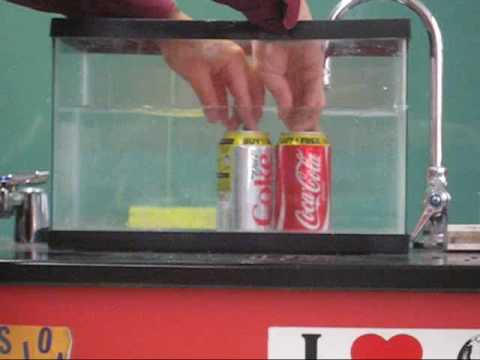
Mini-Lab #1: Soda vs. Diet Soda

Image result for coke vs diet coke density


  1. Make three observations.
  2. Make an inference based on those observations.
  3. Make a prediction
  4. Conduct the experiment.
  5. Make two observations of your results; what happened?
  6. Make an inference based on your observations and results.

Sunday, June 9, 2019

LAB #10 – Using a Microscope


LAB #10 – Using a Microscope

microscope is an instrument used to see objects too small for the naked eye. The science of investigating small objects using such an instrument is called microscopyMicroscopic means invisible to the eye unless aided by a microscope.  There are many types of microscopes, the most common and first to be invented is the optical microscope which uses light to image the sample.

      Problem

      How can we tell the difference between salt and sugar?

Hypothesis


Materials
Microscope
Salt
Sugar
Celery leaves
Various slides


Procedure

1.             Make observations of salt and sugar at different degrees of magnification. 
2.             Make observations of celery leaves at different degrees of magnification.
3.                                 Make observations of various slides at different degrees of magnification.

Results


Observations with no magnification

Salt
 Compare/contrast
Sugar


Observations at 40X magnification

Salt

Sugar


Observations at 100X magnification

Salt

Sugar


Observations with no magnification

Celery leaves
 Human hair
fingernail


Observations of various objects with 40X magnification


Celery leaves
Human hair
fingernail


Observations of various objects with 100X magnification


Celery leaves
Human hair
fingernail


Observations of various objects at 40 X magnification


Various slides
Various slides
Various slides


Observations of various objects at 100X magnification


Various slides
Various slides
Various slides


Observations of various objects at 100X magnification


Various slides
Various slides
Various slides


Analysis

1.         How did the microscope assist you in visualizing the various objects?

2.         Why does the microscope stage have a hole in it?

3.         Which parts of the microscope enlarge the image of the specimen?

4.         If the specimen appears blurry, what should you do first?

5.         Describe the correct way to carry a microscope.

6.         If you are looking at a slide with the objective lens on the 10X, what is the total magnification of the specimen?

Conclusion


1. Label the following parts of the microscope:
1.          Eyepiece lens
2.          Coarse Focus
3.          Fine Focus
4.          Objective lens
5.          Arm
6.          Stage
7.          Base